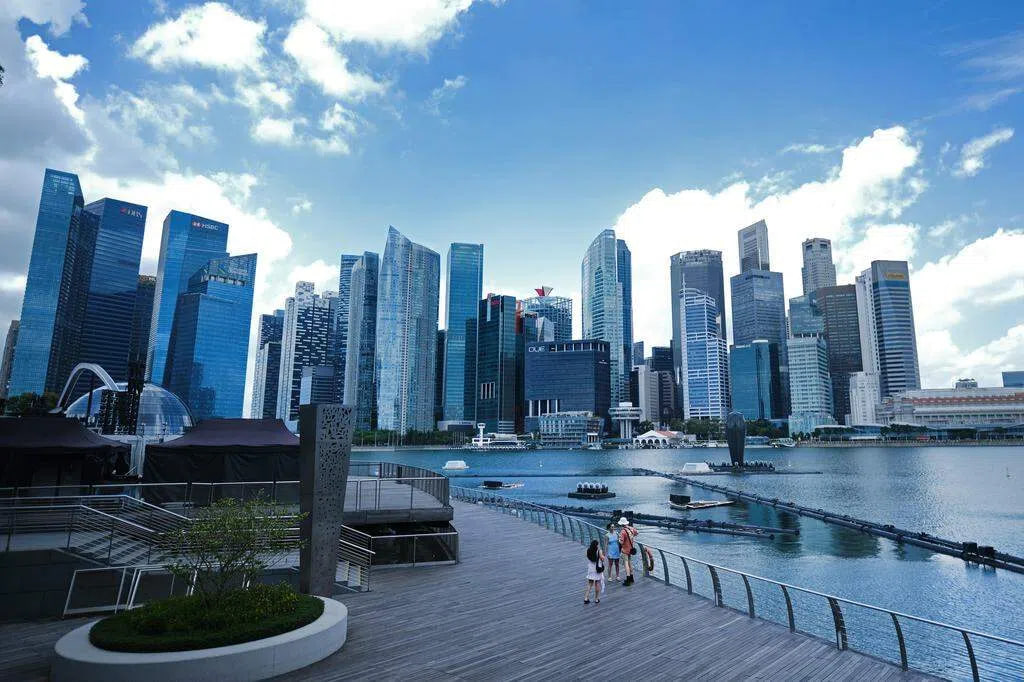
Lower financing cost quietly reopens the buyer window
SORA has eased, banks have followed, and the market has returned to a more rational pace.
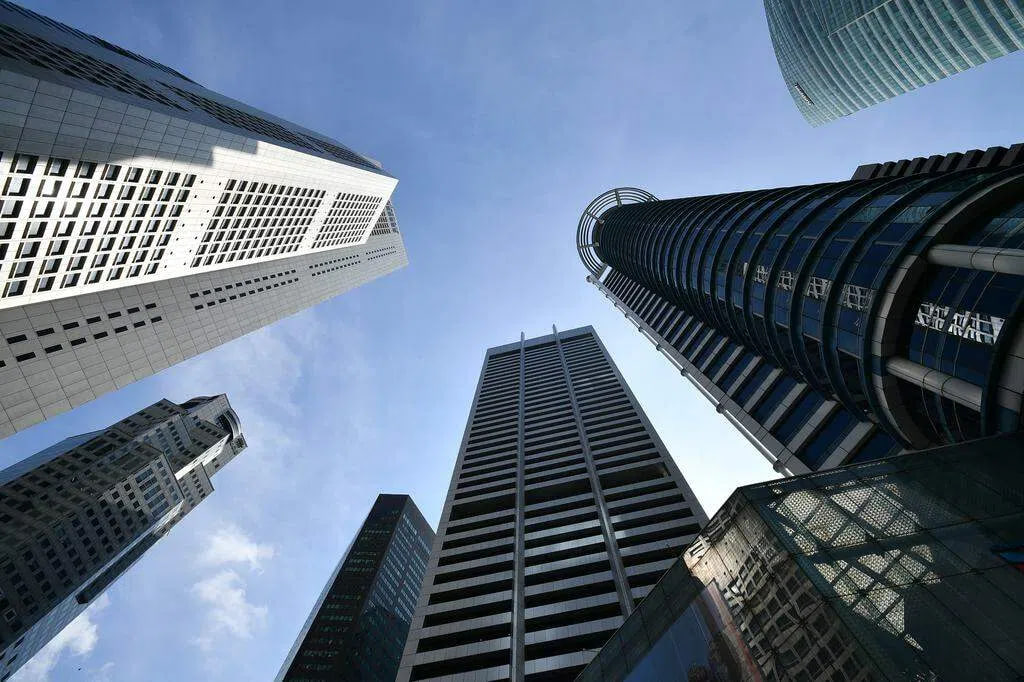
Policy shifts, capital inflows, inventory floors, and the split between CCR strength, OCR cooling, and HDB resilience.
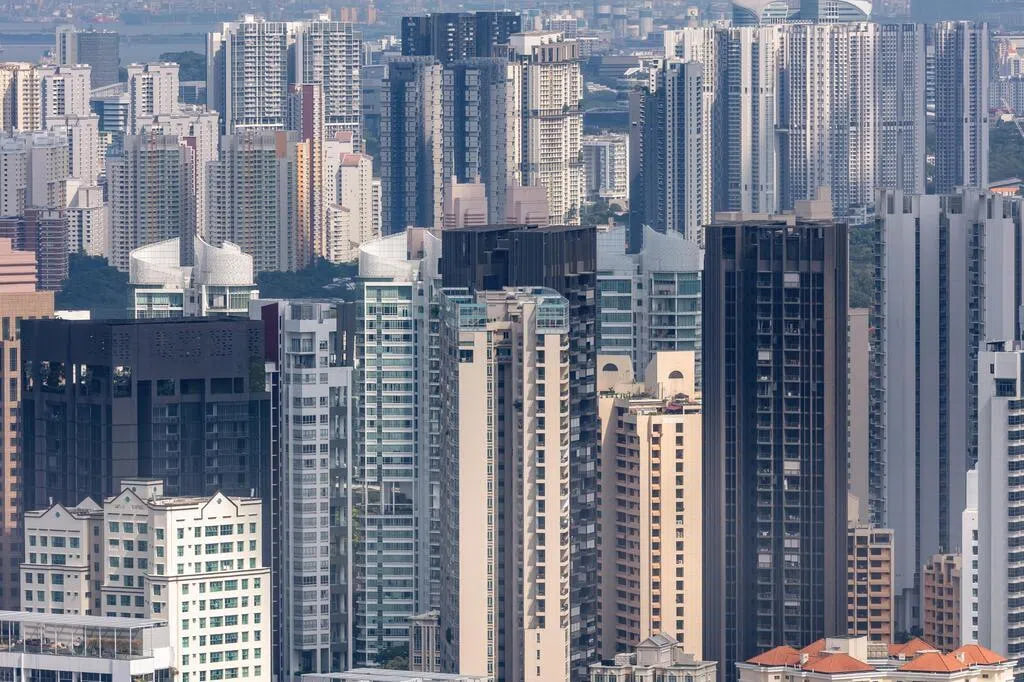
Higher growth expectations and low unemployment keep buyer confidence intact.
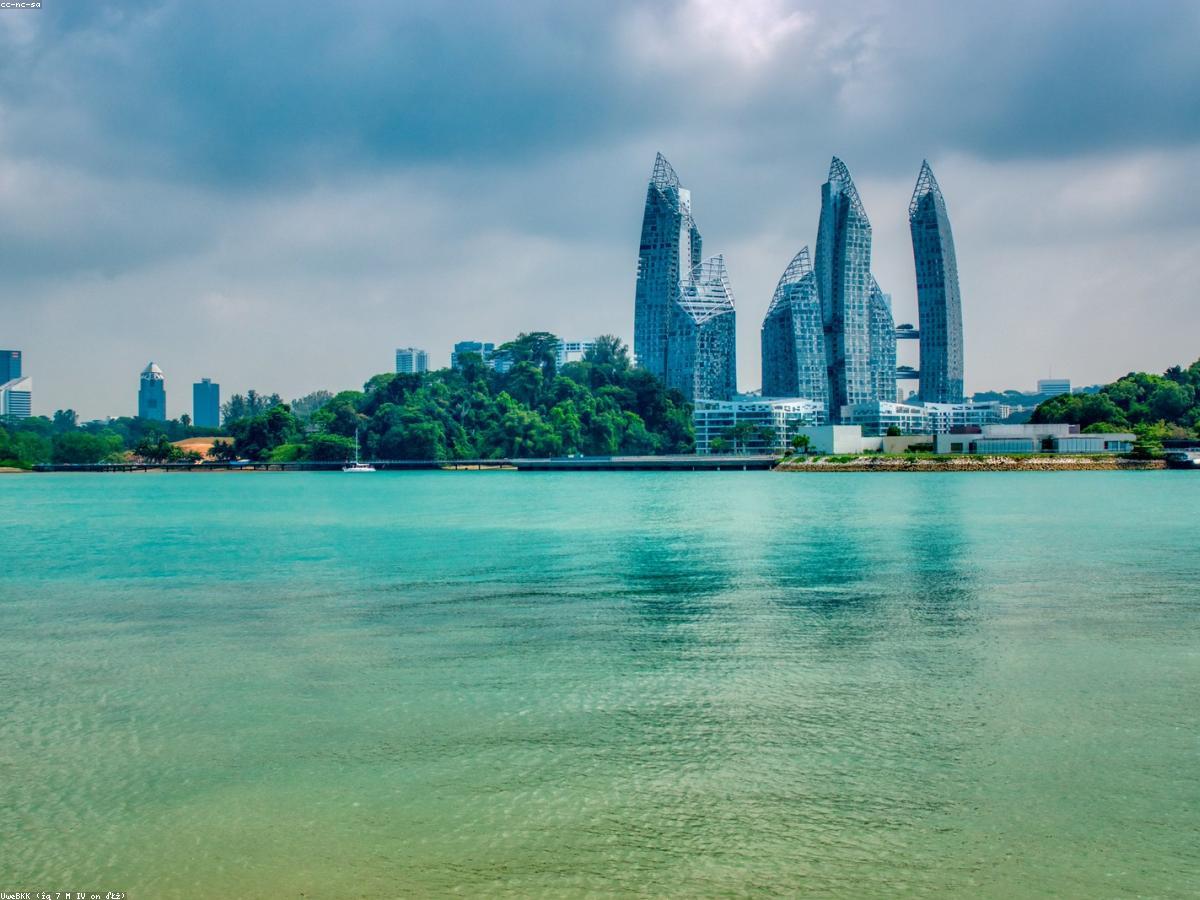
Core-central pricing stays firmer while outer districts normalize.
Policy, financing, supply, and leasing are now moving at different speeds across the city.
Sales, pricing, and ownership patterns are now diverging by asset class and price band.
SORA has eased, banks have followed, and the market has returned to a more rational pace.
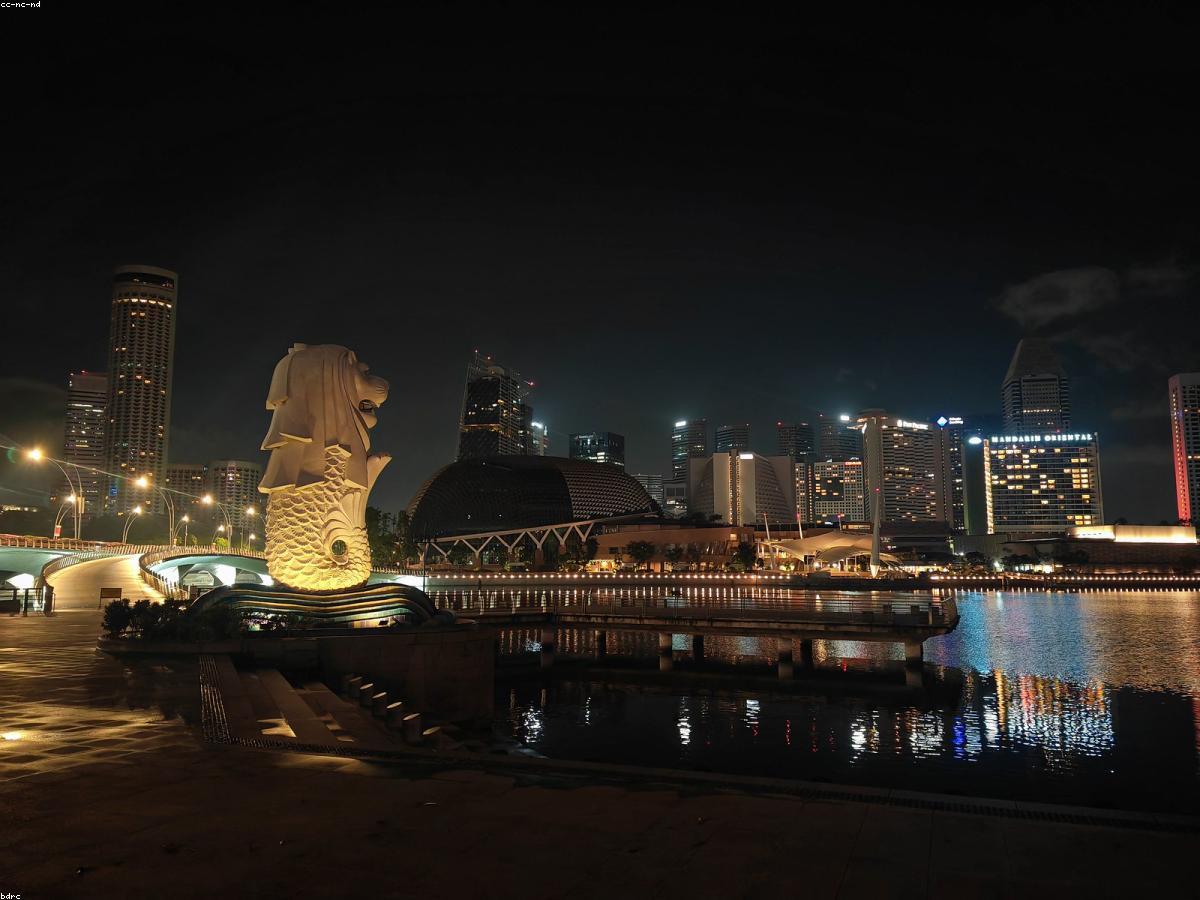
Core-central homes are still holding the line while outer districts work through a correction.
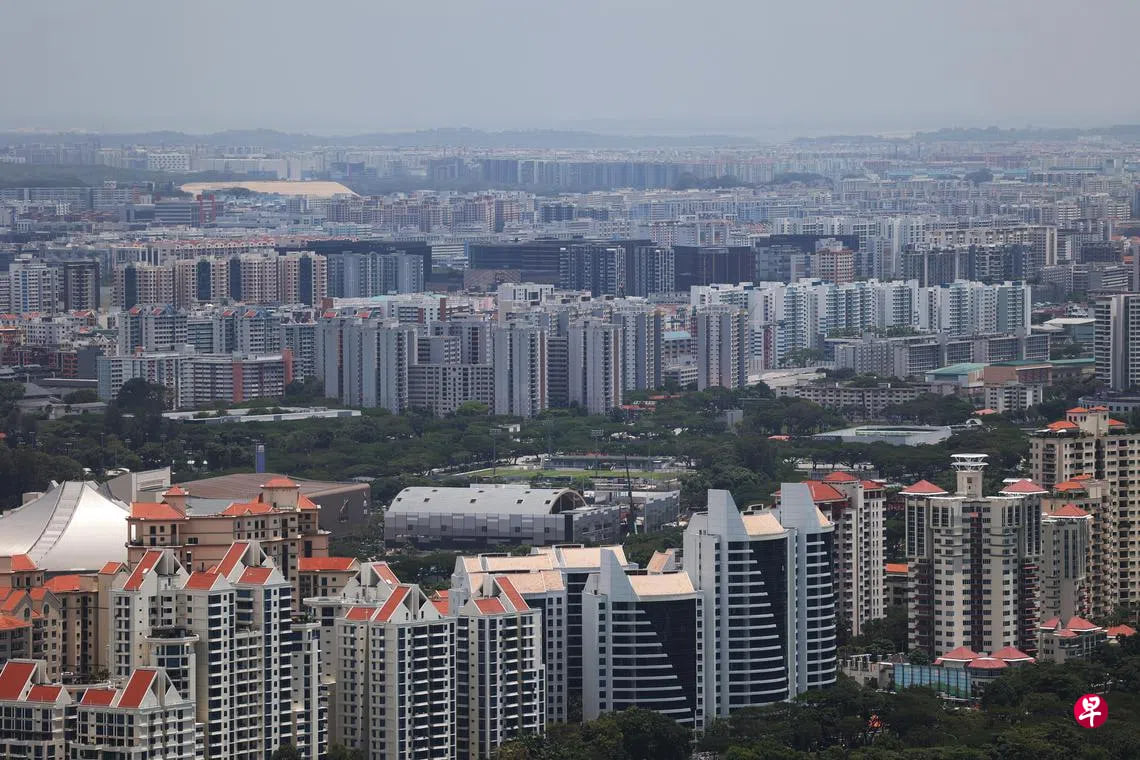
Million-dollar flats remain visible, yet transaction volume is still strong.
Singapore property is being pulled by cheaper financing, firmer core demand, richer upgrader liquidity, and more selective tenants.
SORA easing and better bank pricing have reopened the move-up conversation. Buyers who sat out the last cycle are now returning with clearer budgets, longer decision windows, and more focus on monthly carry.
That shift matters because it makes the market less emotional. Instead of chasing whatever is launched first, buyers are comparing mortgage stress, holding power, and resale flexibility before they commit.
Scarcity, brand, and resale depth are keeping core-central homes sticky. The premium end is not trading on volume; it is trading on confidence, liquidity, and long holding horizons.
That is why the core has stayed resilient even while outer districts cooled. Buyers here are not trying to flip sentiment. They are paying for certainty, less supply, and a better-quality asset mix.
Top-tier resales keep generating cash and CPF power for private-home purchases. The premium HDB market has not stopped working; it has become a faster bridge into the private market for the right households.
That keeps OCR and parts of RCR supported even as headline HDB prices cool. The ladder is still moving, just with a little more selectivity than before.
Private rents are still healthy, but the negotiation window has opened. Owners can no longer assume every listing will lease instantly or at a higher number than last time.
That makes presentation and pricing more important than brute-force rent increases. Units that are clean, well-managed, and sensibly priced will outperform the generic stock.
Unsold supply has dropped to a level that supports pricing, keeps developer balance sheets calm, and removes the fear of a price cascade.
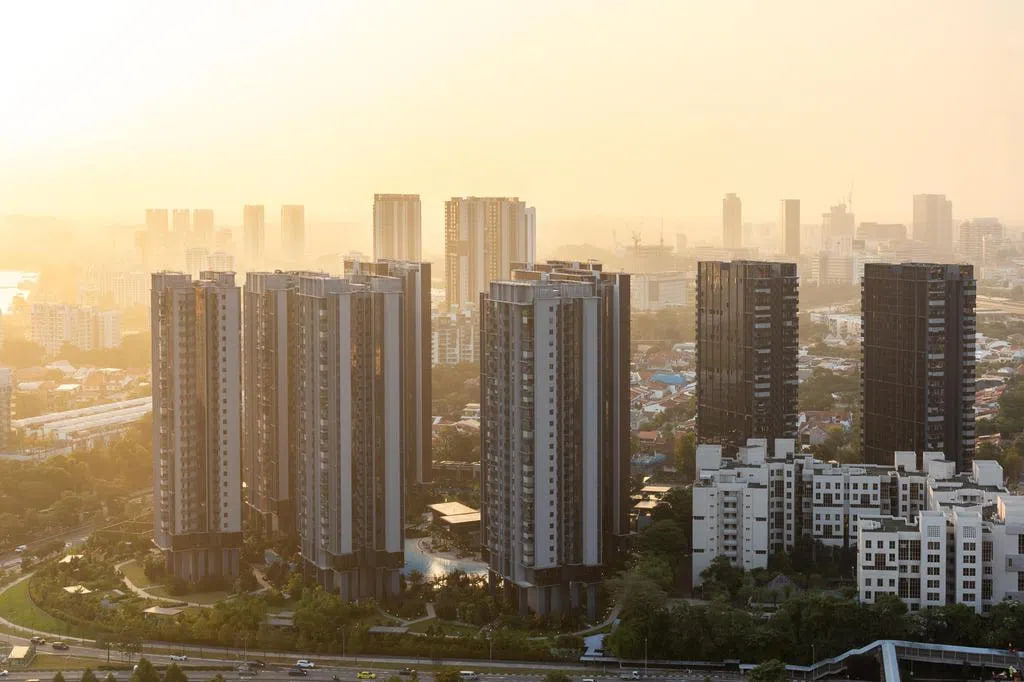
At the current absorption pace, the remaining stock is only about 18 months of supply. That is a healthy buffer, not a glut. Developers are not carrying a pile of distressed inventory, so there is no structural need to slash prices to clear the market.
That low-inventory condition matters because it changes the behavior of everyone in the chain. Developers can price more calmly. Buyers can compare more carefully. And the market stops feeling like a panic sale.
With price growth staying in a 2% to 4% zone, the government has little reason to add fresh cooling measures. That keeps the operating environment predictable and gives both buyers and developers a clearer planning horizon.
Lentor Gardens and other launches have shown that when pricing is disciplined, buyers still show up quickly. Many units remain below the S$2.5 million mark, which keeps them within reach for upgrading families.
Homes above S$5 million are attracting wealth preservation money rather than speculative money. In the core, that creates a second demand layer: one part from lifestyle buyers, one part from investors who want a hard asset with global recognition.
Low enough to avoid any overhang story.
Growth is steady, not hot enough for another clampdown.
Well-priced new projects are still clearing strongly.
Core luxury homes remain attractive to capital preservation buyers.
Core-central strength, mid-ring normalization, and outer-market digestion are now visible in the numbers.
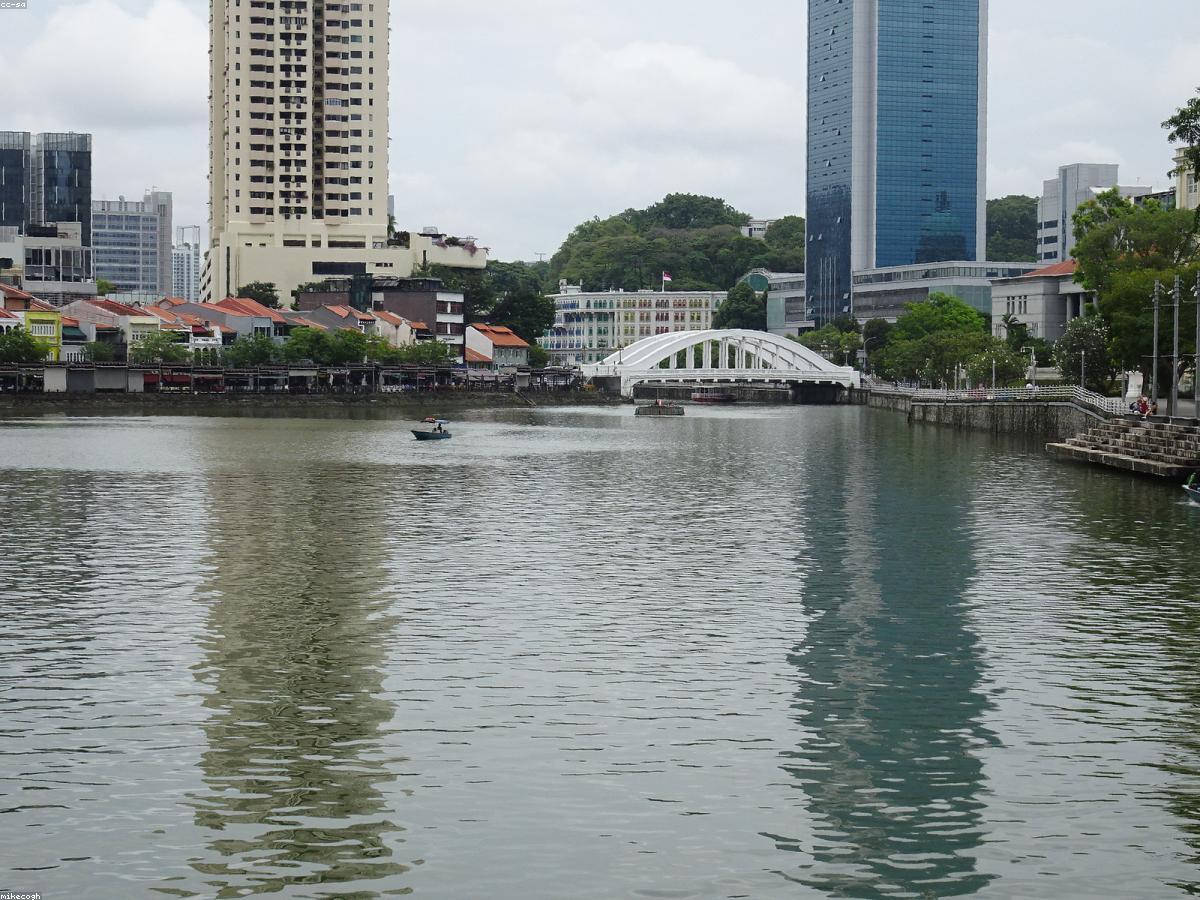
High-end stock remains the preferred shelter for buyers searching for scarcity, brand, and liquidity.
Supply is widening, sales stay active, pricing is cooling in the outer ring, and financing is easier than it was two years ago.
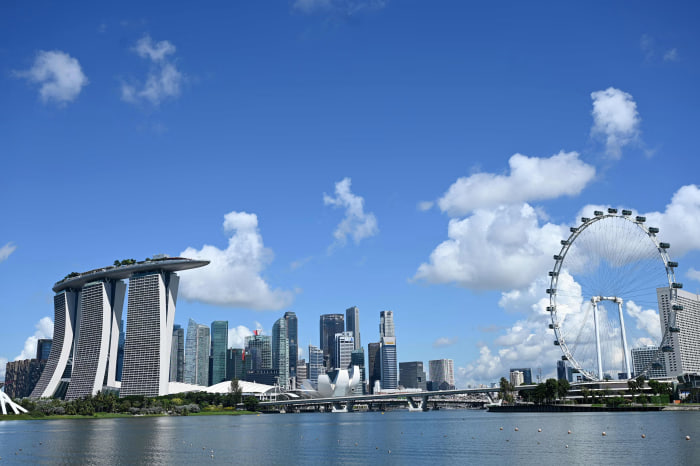
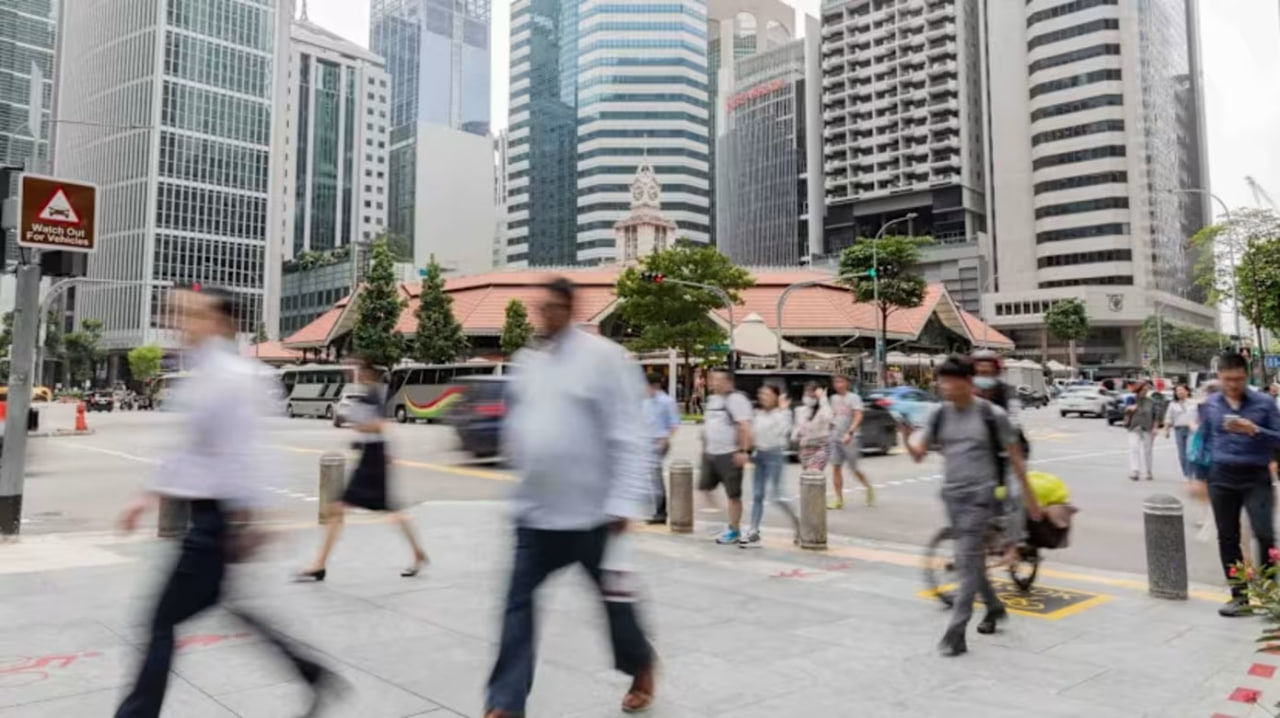
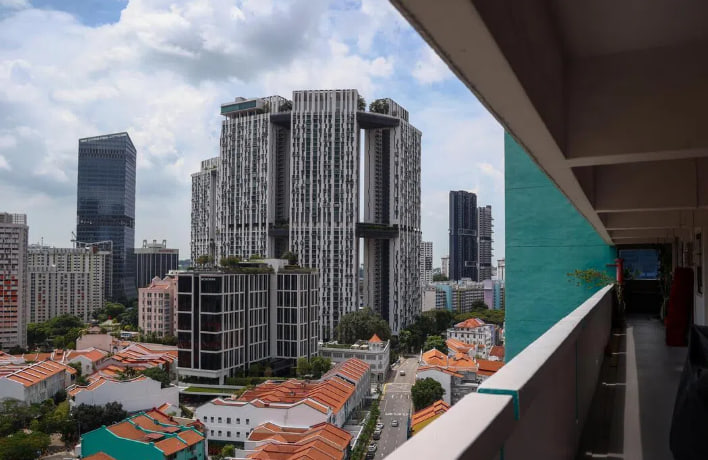
Rare layouts, high floors, and prime location keep top-tier HDB units in a separate league.
Fresh housing options are drawing demand away from less central resale stock.
Stronger tenant demand in the public-housing segment is keeping yields meaningful.
Financing, en bloc timing, and urban planning are the quiet levers beneath the price action.
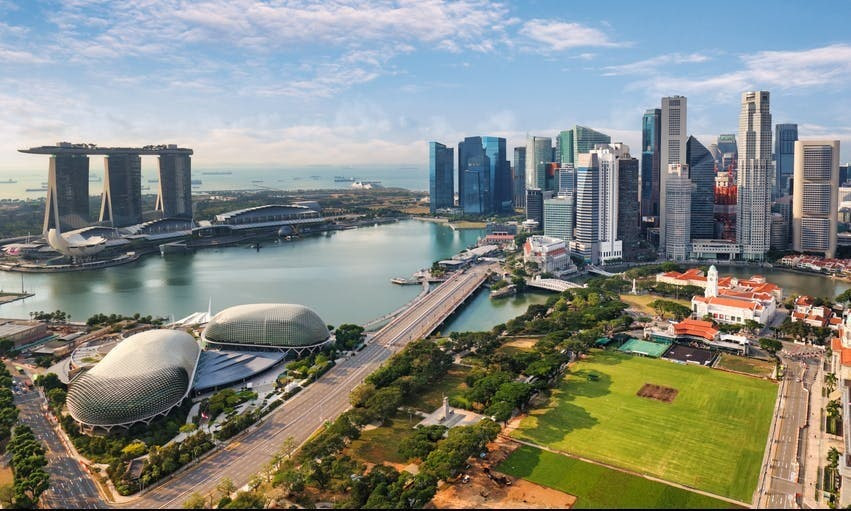
Floating and fixed packages have eased enough to pull hesitant buyers back into the frame.
Friction has come down just enough to keep land replenishment active.
Prime plots and long-horizon redevelopment narratives keep the core premium alive.
Private rents, vacancy, and HDB leasing are now moving with different tempo across the island.
Landlord leverage has eased. The smartest strategy is not chasing the highest sticker rent, but holding quality tenants with cleaner pricing.
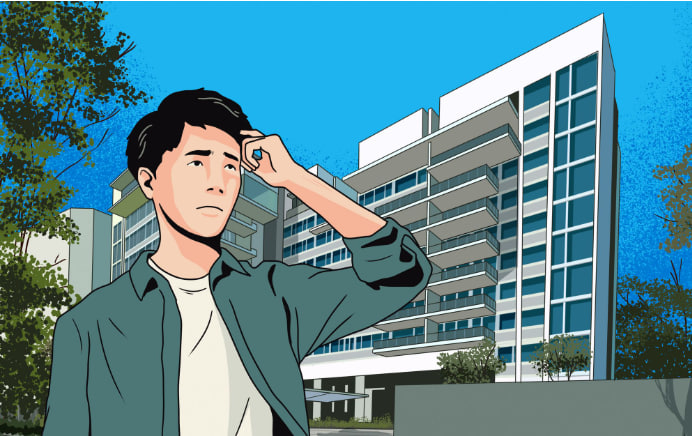
Tenants can now compare more options, so presentation and value matter more than noise.
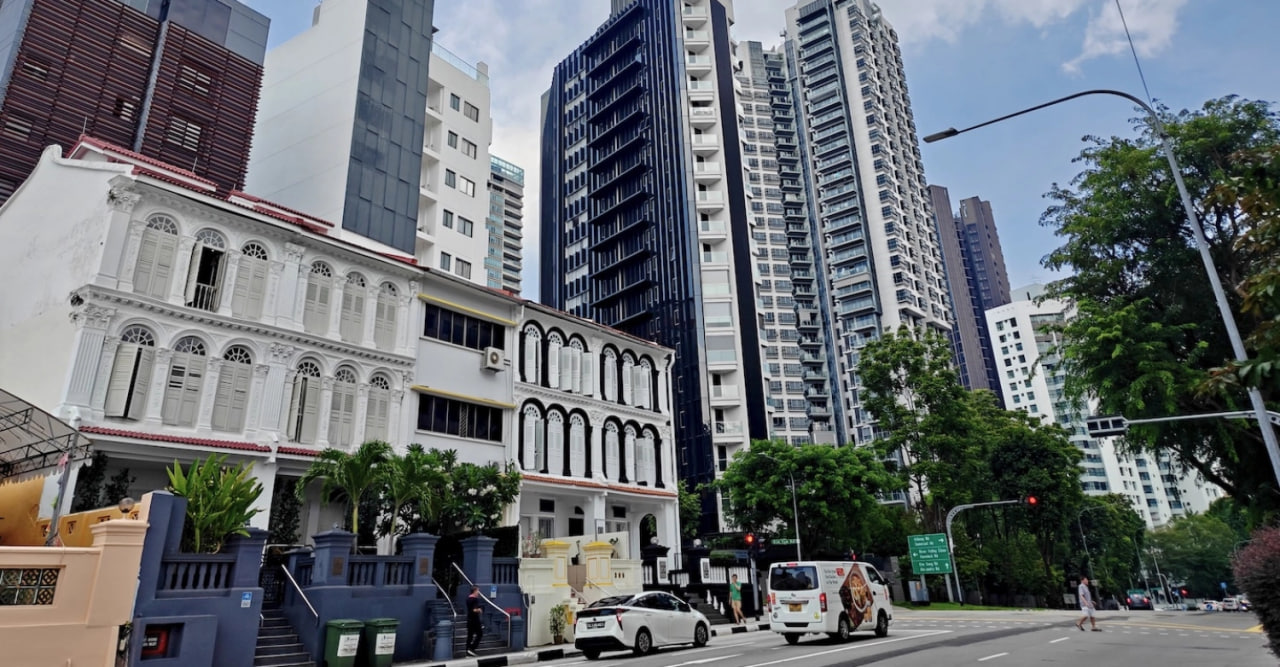
Demand is still broad, especially in non-mature estates where entry rents are lower.
Core resilience, upgrader liquidity, outer-ring supply, and rental choice now pull the market in different directions.
Capital, land bids, planning moves, and policy tweaks are leaning in the same direction.
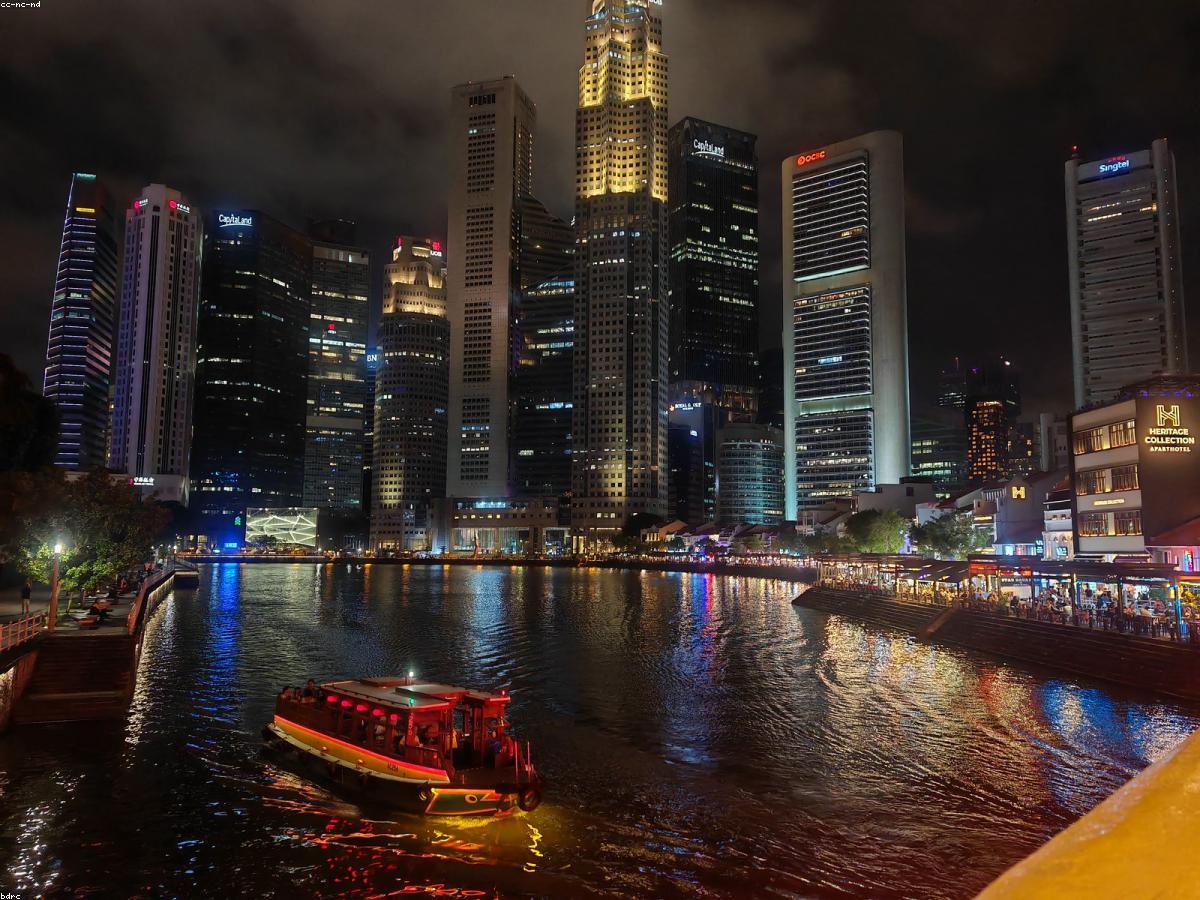
Singapore is being treated as a capital shelter again, with global investors returning for stability, low financing cost, and operating depth.
New Upper Changi Road drew a 14.3 billion dollar bid, or about S$1,537 psf ppr, from a heavyweight consortium. That matters because land is the first place developers reveal what they think the next cycle is worth.
A record bid in OCR does not mean irrational exuberance. It means landholders and developers still believe well-located family stock can be absorbed if the product is right and the launch window is disciplined.
Punggol East is set up for more than 8,000 homes, Kallang is moving toward waterfront redevelopment, and Yishun is heading into a larger mixed-use reset. Those are not just planning notes; they are future supply signals with price implications.
For buyers, that means the next few years will not be shaped only by today’s launch calendar. They will be shaped by where land is released, where infrastructure lands, and which districts gain a clearer identity.
Any rise in the EC household income cap would unlock more middle-income buyers and add support to OCR demand. That matters because EC buyers are often the bridge group between public housing and the private market.
If that bridge gets wider, OCR launches gain another layer of demand just as the broader market is trying to absorb more supply. The effect is not dramatic in a single day, but it compounds across a cycle.
Institutional and cross-border money is back in the room.
OCR land is still commanding premium pricing at the top end.
Long-cycle planning keeps new supply visible for years ahead.
Any income-limit adjustment would widen the next buying wave.
These are the releases, bids, and tenant decisions most likely to reshape sentiment over the next quarter.
Buyers are comparing per-square-foot value against recent resale alternatives more closely than before. That means launch pricing has to be defensible from the first viewing, not only after a sales campaign builds momentum.
Projects that arrive too high can still move, but they now spend more time proving why they deserve the premium.
Core sites and transit-linked plots will keep attracting attention where scarcity is easy to explain. In Singapore, a good planning narrative can move demand long before a site is even launched.
That is why land announcements still matter: they set the map for the next round of price discovery and developer confidence.
Owners that price cleanly and refresh units well are more likely to keep strong tenants through the next cycle. The rental market has become more selective, which rewards presentation and consistency over noise.
In a softer leasing environment, long stays and lower vacancy can matter more than chasing the last possible dollar of rent.
Core assets, renewal corridors, and transit-linked districts are drawing the most attention.
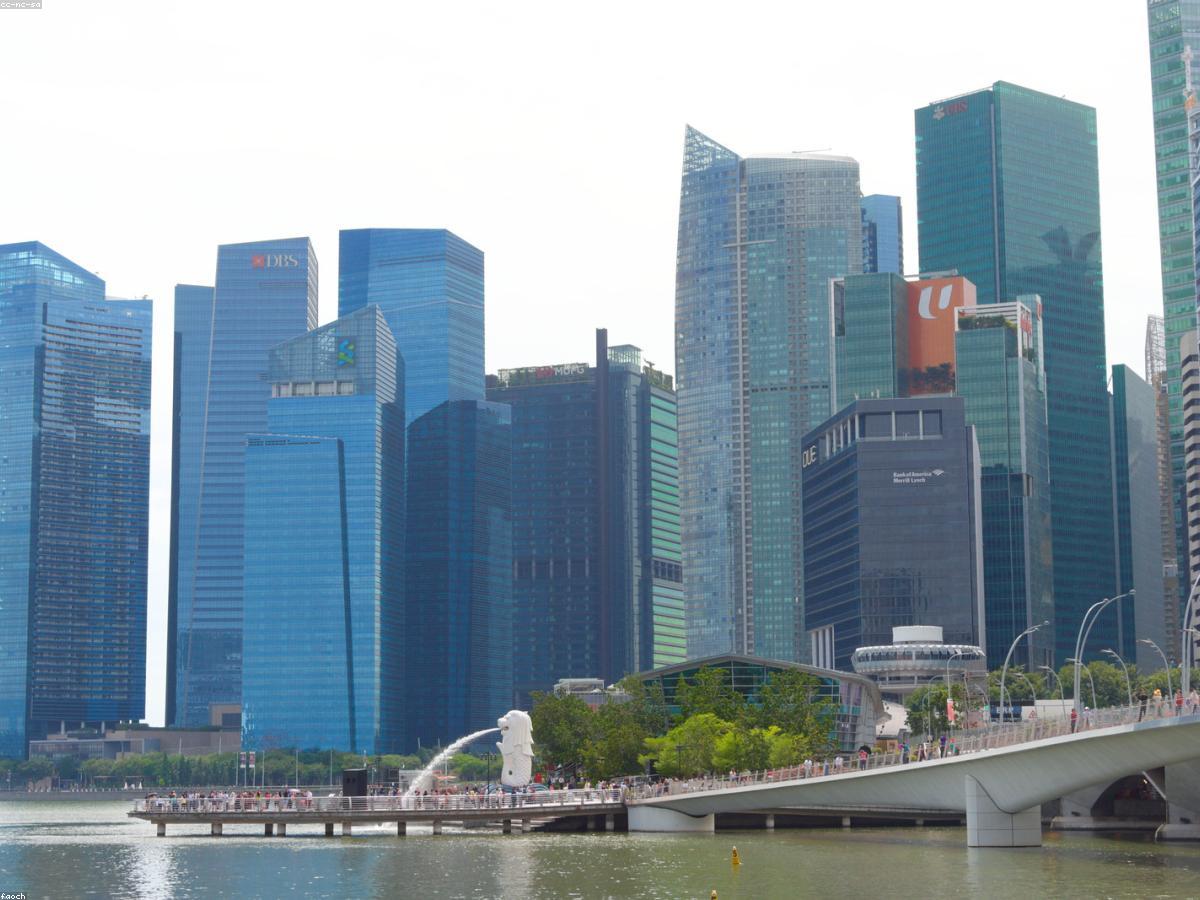
In the core, the market is rewarding quality and patience rather than speed.
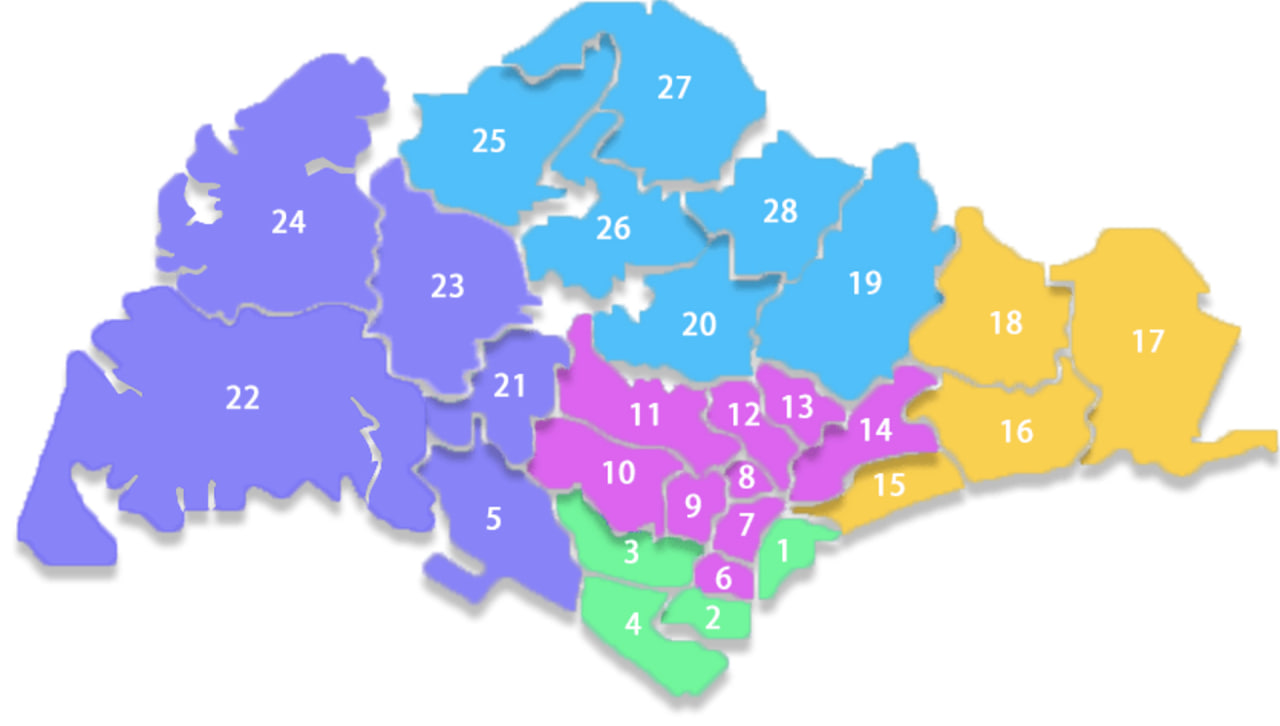
More supply means more comparison, and comparison means less emotional bidding.
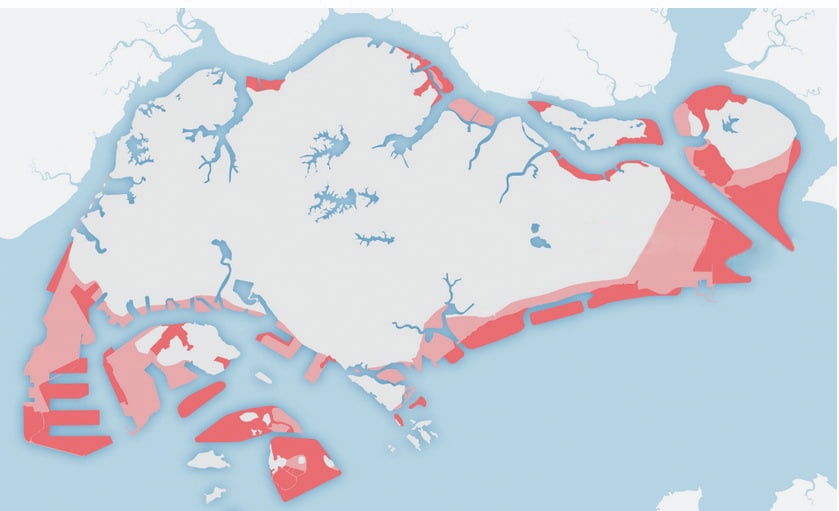
The next cycle will be decided by where developers can still build with discipline.
Marina Bay, the CBD, and residential estates remain the clearest read on capital and housing demand.
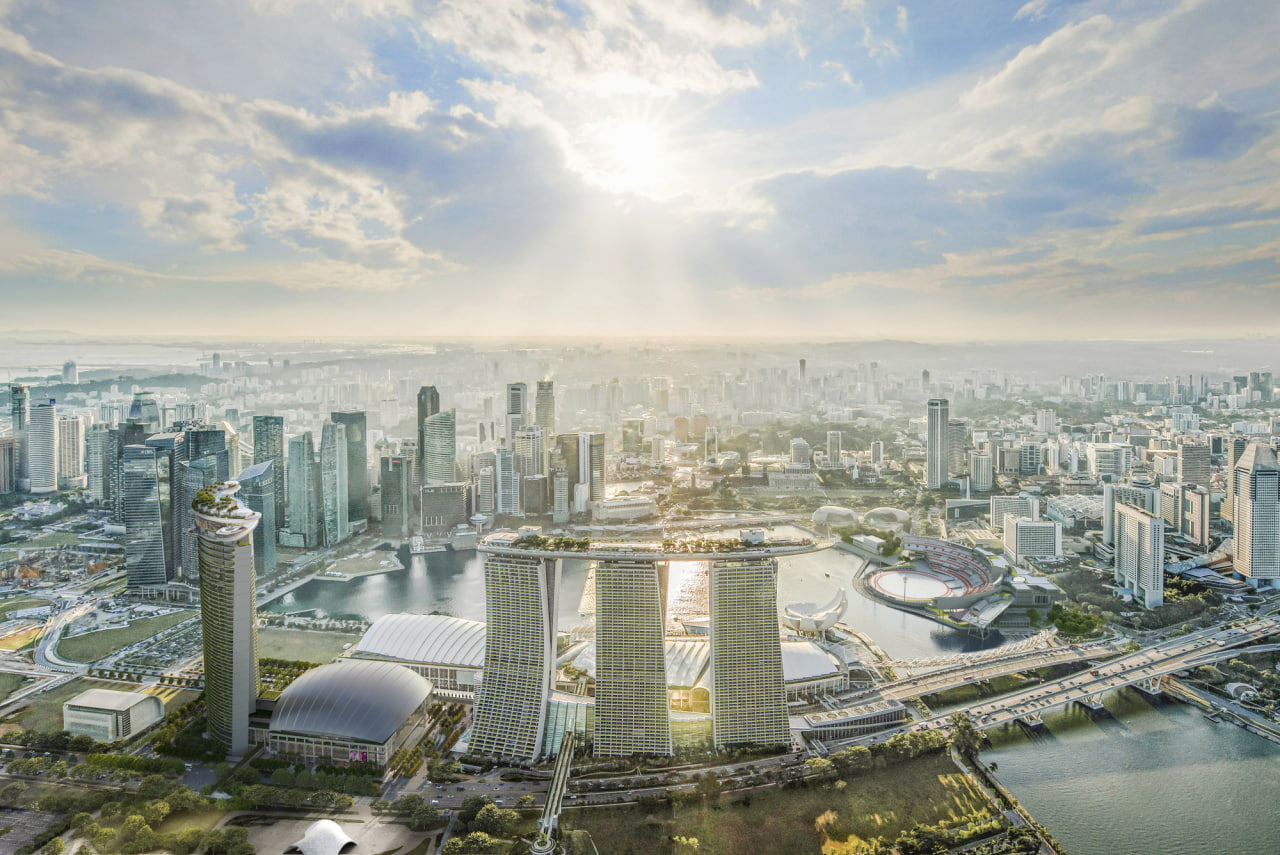
Strong employment keeps demand anchored across the core and the outer ring.
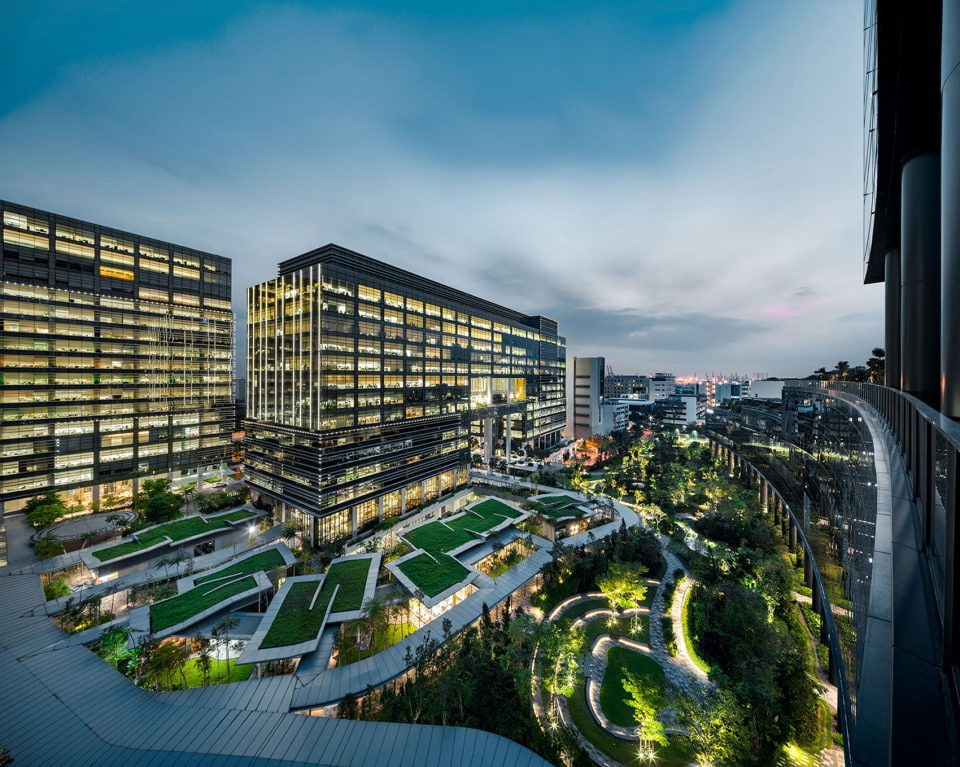
Premium homes read as assets first, lifestyle second.